Monitoring & System Health

Know your system.
Before users complain.

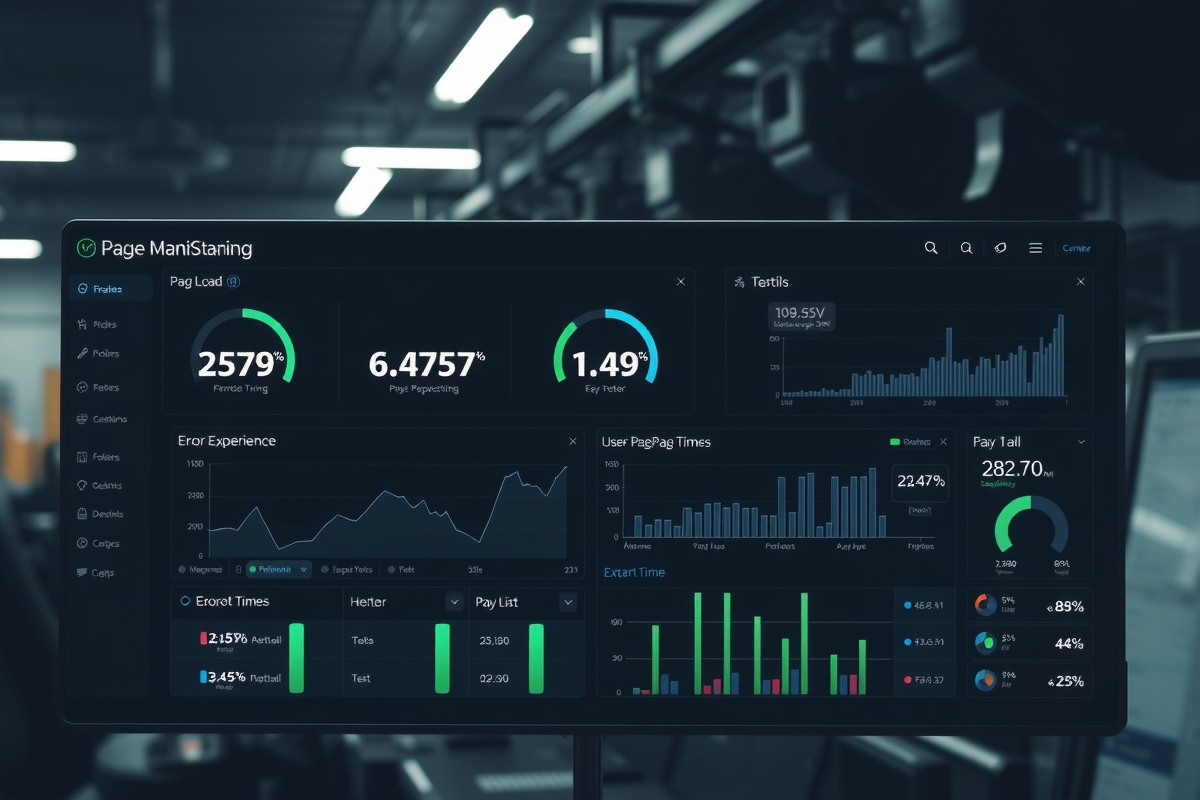
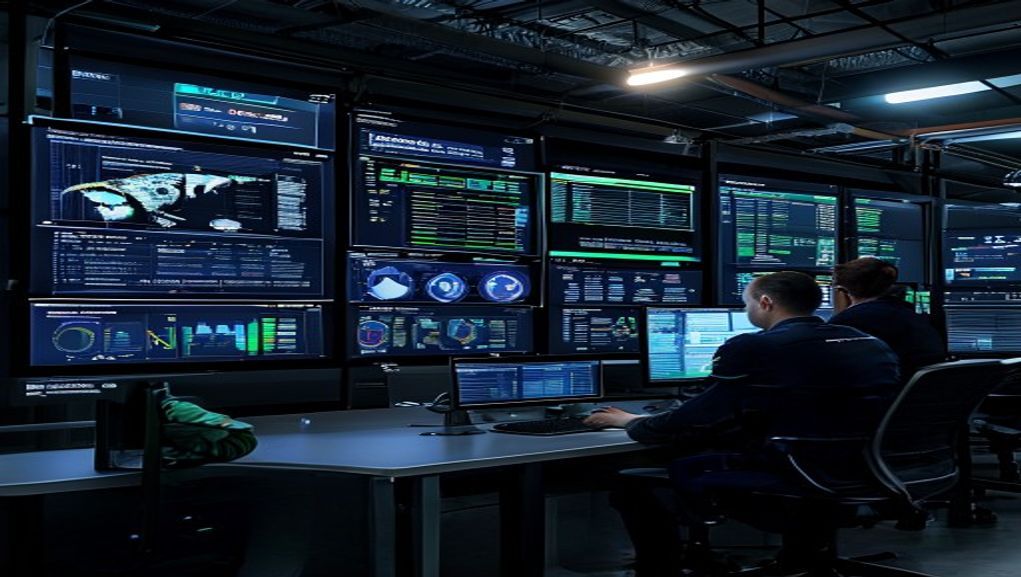
Real-time monitoring of system health — API response times, database performance, memory/CPU, queue depth, error rates, frontend Core Web Vitals, and SLA breach detection. Predictive capacity warnings + auto-remediation hooks.

99.5%

uptime target

<100ms

p50 latency

LCP+FID

Core Vitals

SLA

tracking

How It Works

Monitoring Pipeline
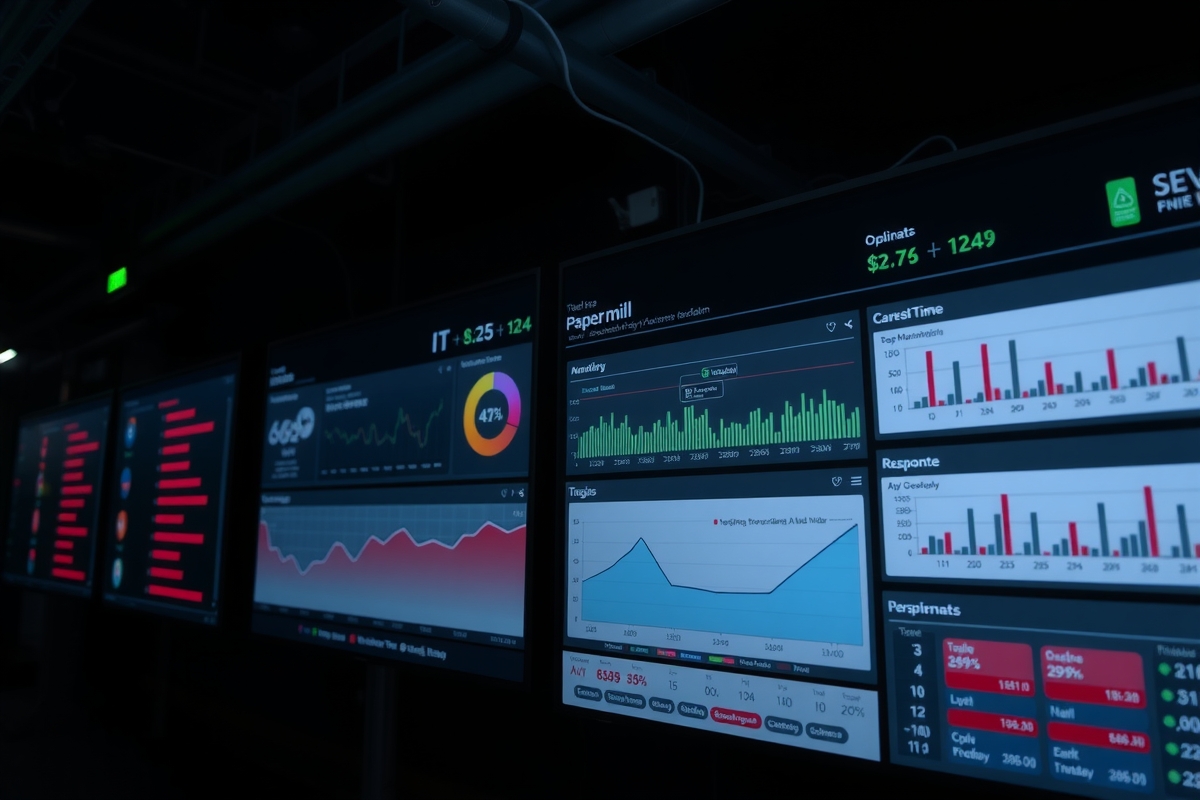
Collectmetrics
Aggregatewindows
Evaluatethresholds
Alerton breach
Auto-Remediateif configured
Backend Health
Backend Health

Backend Health

Pool sizes. Queue depth. Heap.

Extended health endpoints expose Node version, heap usage, DB pool stats, Redis connectivity, build SHA, and per-endpoint latency percentiles. Auto-cached for 30 seconds.

  • Node version + heap usage tracking
  • DB connection pool monitoring
  • Redis health + queue depth
  • Build SHA + deployment progress
  • Per-endpoint p50/p95/p99 latency
  • Rate-limited (30 req/min, admin only)
Frontend Monitoring
Frontend Monitoring

Frontend Monitoring

Browser errors. Core Web Vitals.

Capture browser JavaScript errors with stack traces, track Core Web Vitals (LCP, FID, CLS, INP), sanitize control characters, and batch-process metrics with rate limiting per IP.

  • Browser error capture with stack traces
  • Core Web Vitals: LCP, FID, CLS, INP
  • User context (URL, agent, timestamp)
  • Control character sanitization
  • Rate limited (60 req/min per IP)
  • Batch ingestion + aggregation
SLA & Dashboards
SLA & Dashboards

SLA & Dashboards

Trend it. Alert on it.

Role-aware health dashboards with 30-second cache, activity feed, system alerts, license status, SLA threshold monitoring, breach detection, and trend analysis for capacity planning.

  • Role-aware aggregated dashboard
  • Activity feed with severity filtering
  • License status + expiry warnings
  • SLA threshold monitoring
  • Breach detection + auto-alert
  • Capacity trend analysis

Every Feature

Complete capability matrix.

Click any capability to drill in.

Preview — available on requestRoadmap — planned within 12 months
Drill in

Backend Health

Live status of API servers, Postgres pool, Redis queue depth, BullMQ job lag, and disk usage. Each component exposes /health for external uptime monitoring; admin dashboard shows everything in one panel.

Drill in

Core Web Vitals

Track LCP, FID, CLS, INP and TTFB for every user session. Identify slow routes, regression after deploys, and per-region performance differences. Real user metrics, not synthetic.

Drill in

Latency Histograms

p50, p95, p99 latency for every API endpoint with histogram visualization. Spot the 1% of requests that drag user experience down; find the endpoint that's degrading over time before users complain.

Drill in

Query Insights

Slow query log with execution plans, lock wait analysis, and impact ranking. Database performance regressions identified by query before they snowball; tied to deploy SHA so you know which release introduced it.

Drill in

Error Tracking

JavaScript errors captured with full stack traces, browser context, and breadcrumbs. Group by error signature with affected user count; release-tagged so you know which deploy caused which error.

Drill in

SLA Monitoring

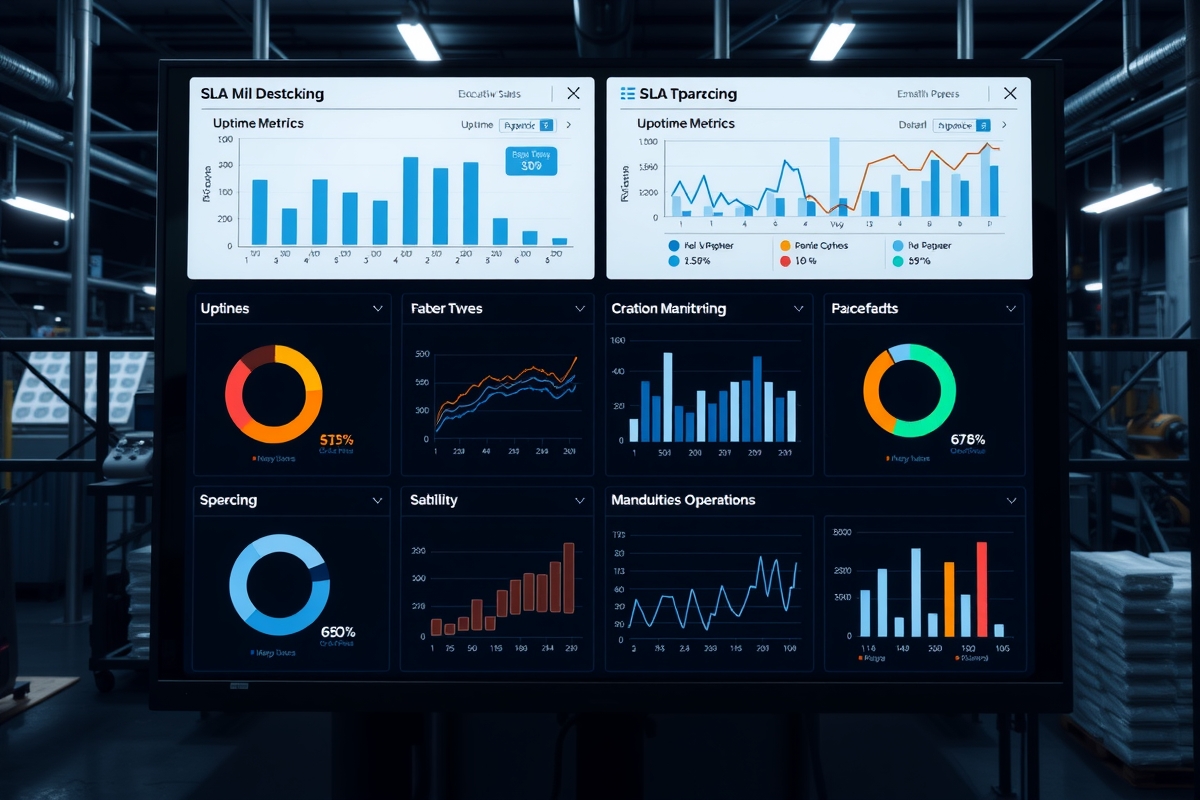
Define SLA targets per service (e.g., 99.5% uptime, <200ms p95). Live tracking shows current adherence and projected end-of-month status; breaches escalate per the notification rules.

Drill in

Capacity Trends

Predictive growth warnings — disk fills in 14 days at current rate, connection pool at 80% during peaks, queue lag growing 5% weekly. Plan capacity upgrades before hitting the wall.

Drill in

Uptime Tracking

Per-service uptime percentages with historical timeline showing every incident, duration, and root cause. Customer-facing status page can be published from the same data.

Drill in

Auto-Remediate

Optional automated responses to common failures — restart stuck workers, scale up on load spike, failover to standby Redis. Each playbook auditable and reversible; humans always in the loop for big changes.

Integrations

Works with everything else.

Every Monitoring action flows into the other modules — no manual data re-entry, no reconciliation pain.

MonitoringNotifications

Threshold breach → alert

Multi-channel ops notification

MonitoringAll Modules

Module health endpoint

Per-module status check

MonitoringAutomations

Failure → playbook

Trigger remediation workflow
Paper mill

Ready to modernize your mill?

See Papyrus BPApp
in your mill.

Book a personalized demo. We'll walk through every module relevant to your operation — from Deckle optimization to GSTR-3B compliance.

CallRequest Demo