Architecture Principle · 01 of 9
Modular by Design
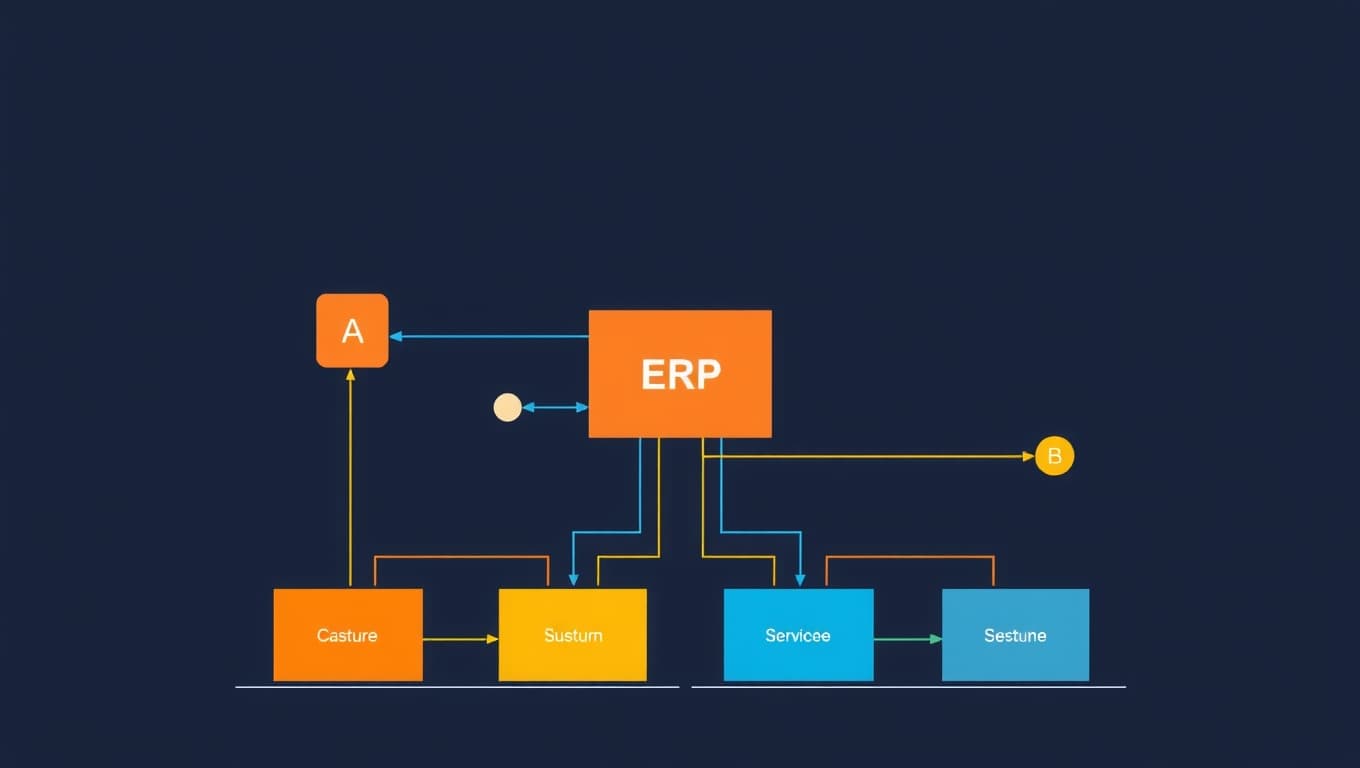
Modules are independently deployable and independently activatable. Every module ships with its own database schema, its own service tier, and its own UI surface — but shares the common platform foundation.
What this means
In practice.
Activate Sales, Inventory, Finance on Day 1; add Production later without re-implementing
Each module has its own version lifecycle — upgrade Finance to v2.5 without touching Sales
Modules can be disabled per company via feature toggles — no zombie data or broken links
Custom modules can be built and dropped in via the platform plugin API
How it works
Under the hood.
Schema isolation
Each module owns its database schema. Sales tables don't know about Production tables.
Service tier
Each module exposes its own REST API. Internal calls go through API, never directly to another module's DB.
Feature flag gating
Module activation controlled by feature toggles in Administration. Toggle off = module disappears from UI.
Graceful degradation
If a module is disabled, dependent modules handle absence cleanly — no crashes, no broken workflows.
Visual
Real-World Example
Real-world: Mill adds HR after 6 months
Before
Customer initially activated Sales, Procurement, Inventory, Finance. After 6 months, ready to bring HR onto the platform.
After
HR module activated via toggle. Salary structures imported via CSV in 2 days. Payroll runs same week — no re-implementation of other modules, no downtime.

Ready to modernize your mill?
See Papyrus BPApp
in your mill.
Book a personalized demo. We'll walk through every module relevant to your operation — from Deckle optimization to GSTR-3B compliance.